Palimpsest
— Mass Graves of Memory
- Year
- 2025
- Medium
- Installation
- Materials
- Handmade paper, printed translucent adhesive, LED light. 20 × 20 cm
- Sound
- Five testimonies from the Yo soy… (I am…) project by Equipo DF (Colombia)
- Exhibited at
- PhotoEspaña · Lens Escuela de Artes Visuales, Madrid
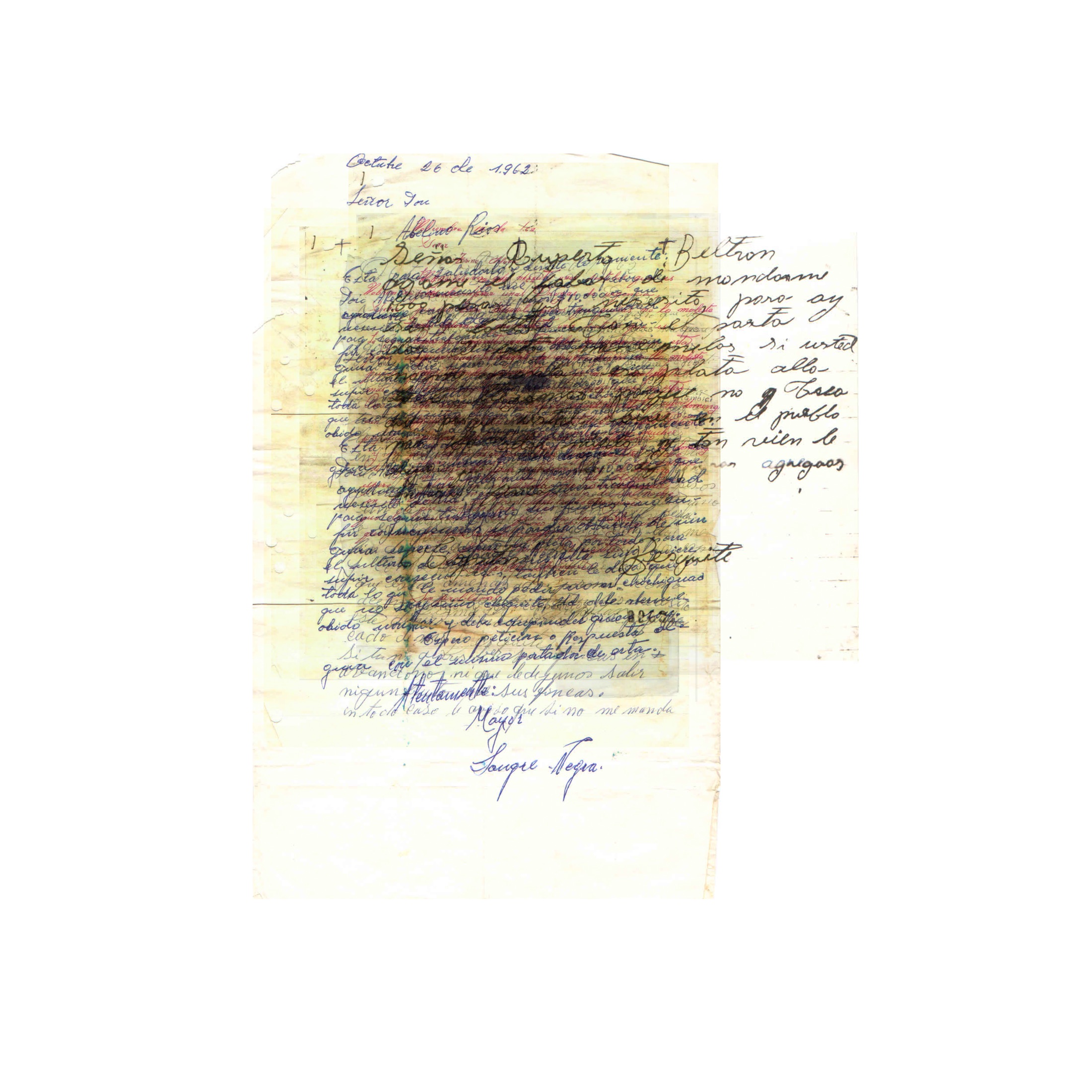
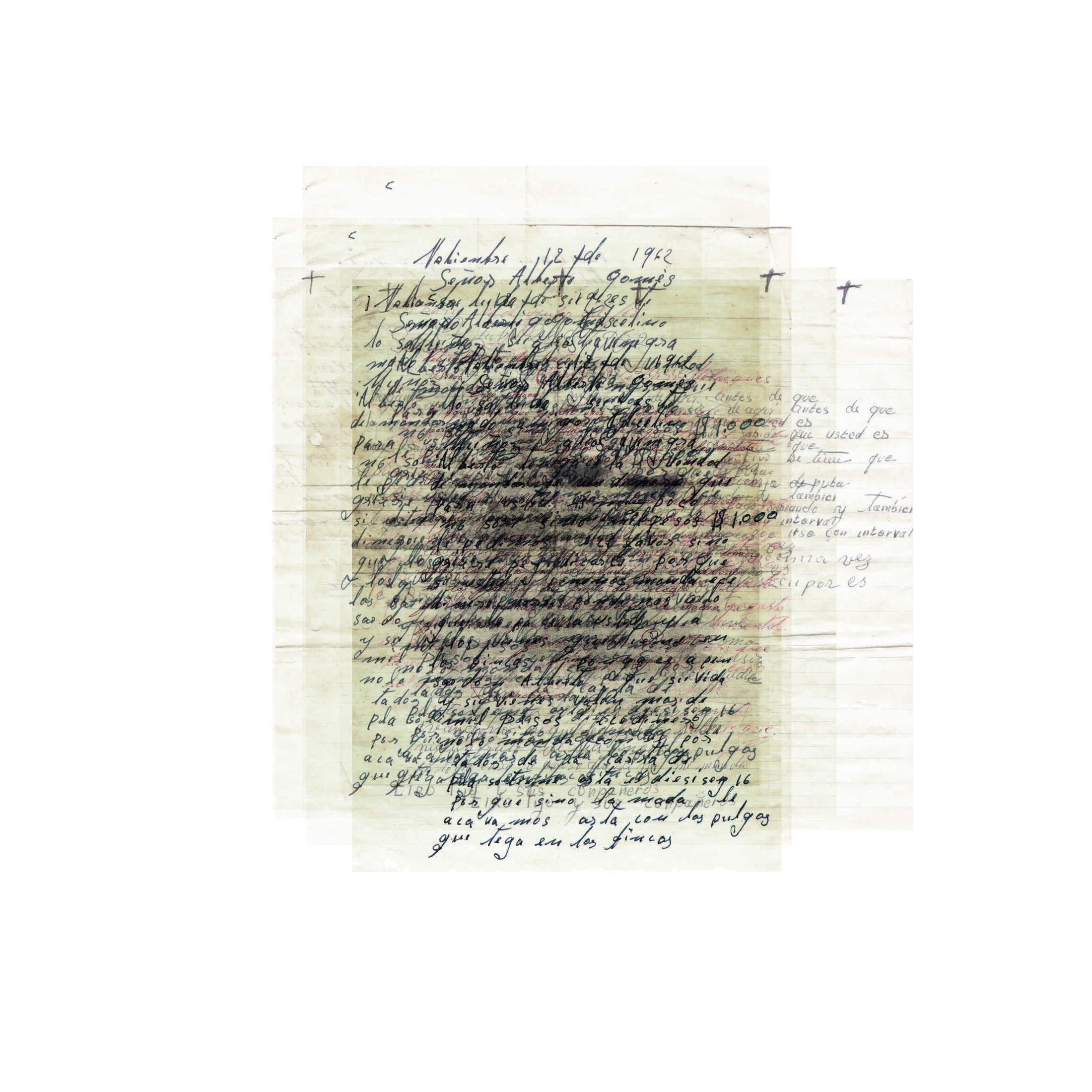
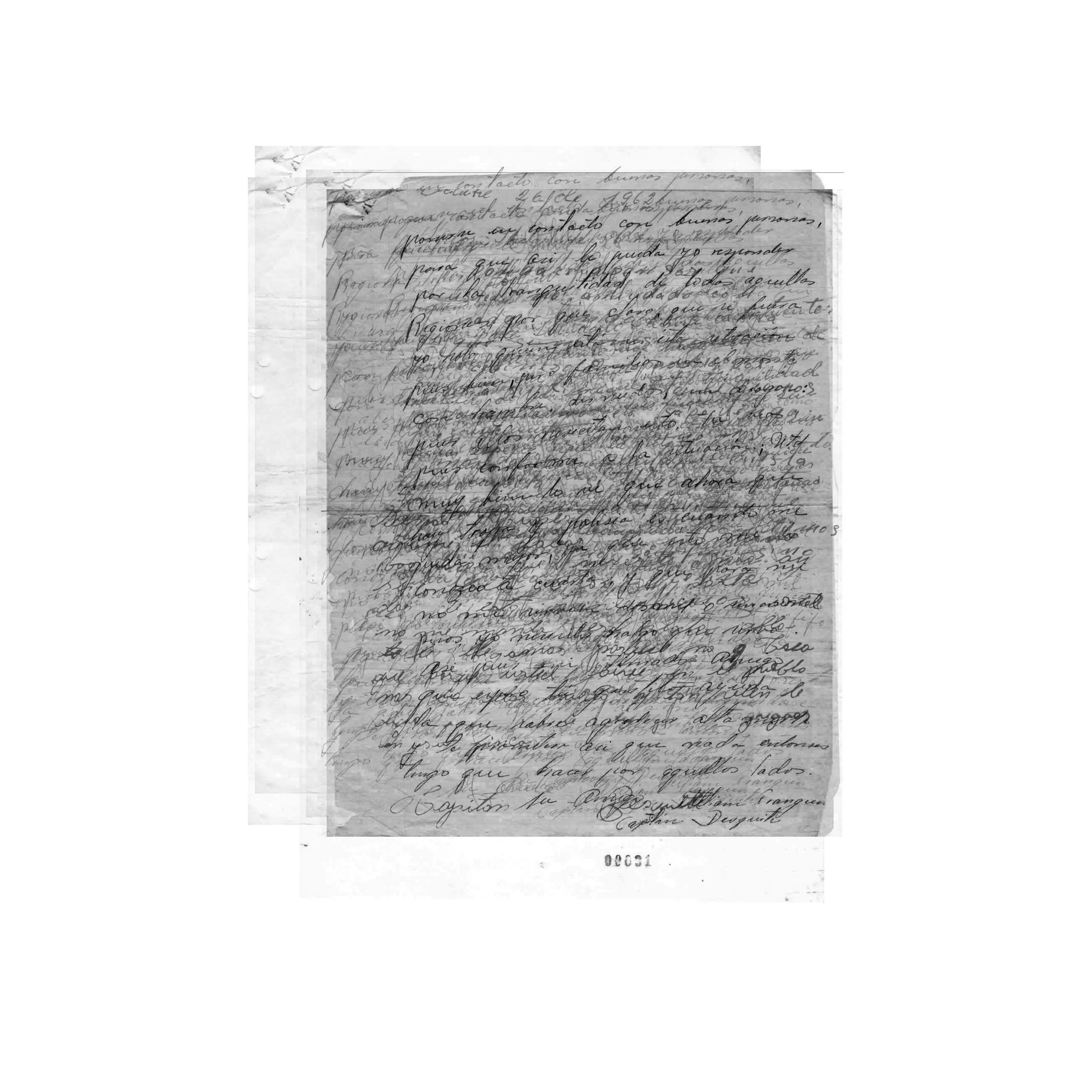
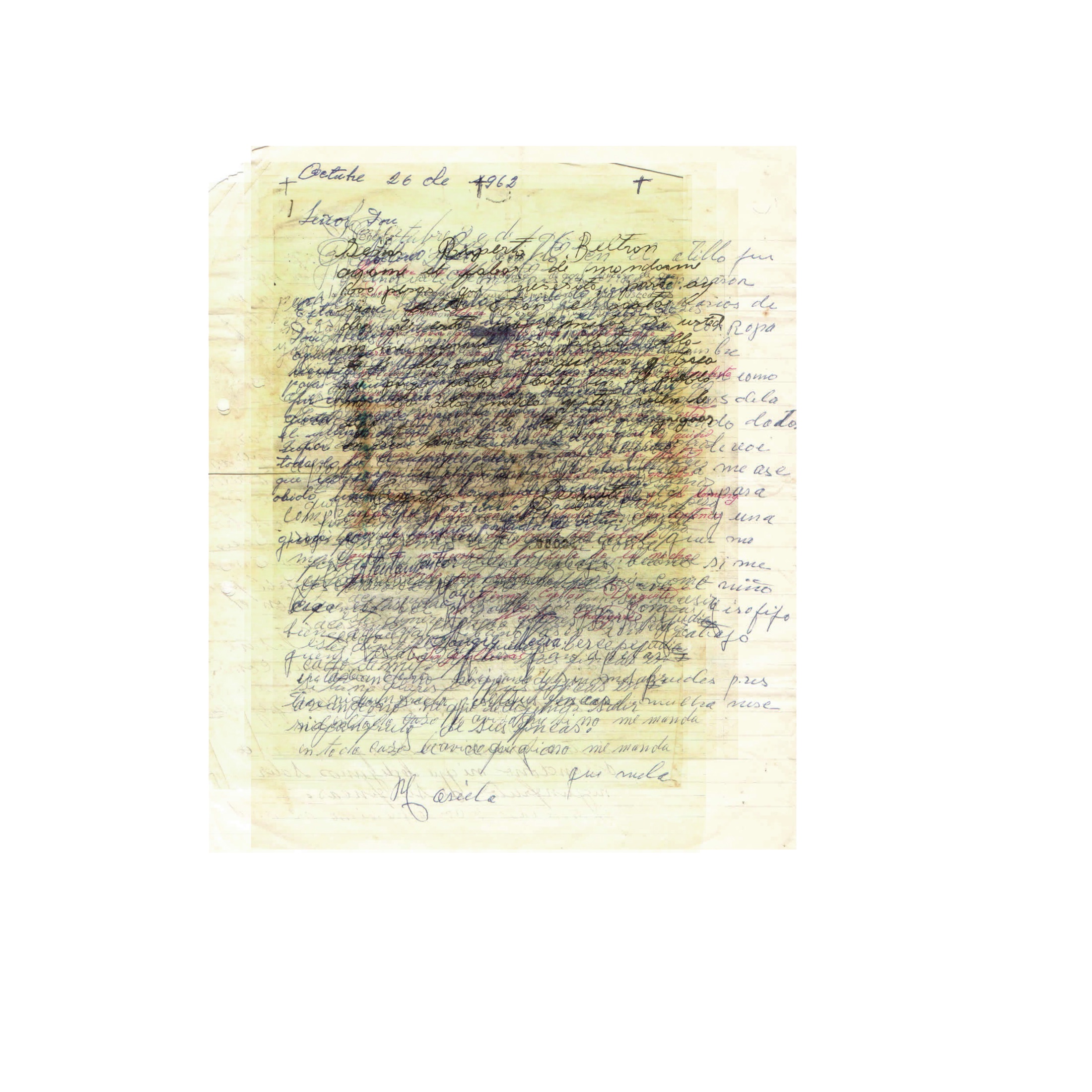
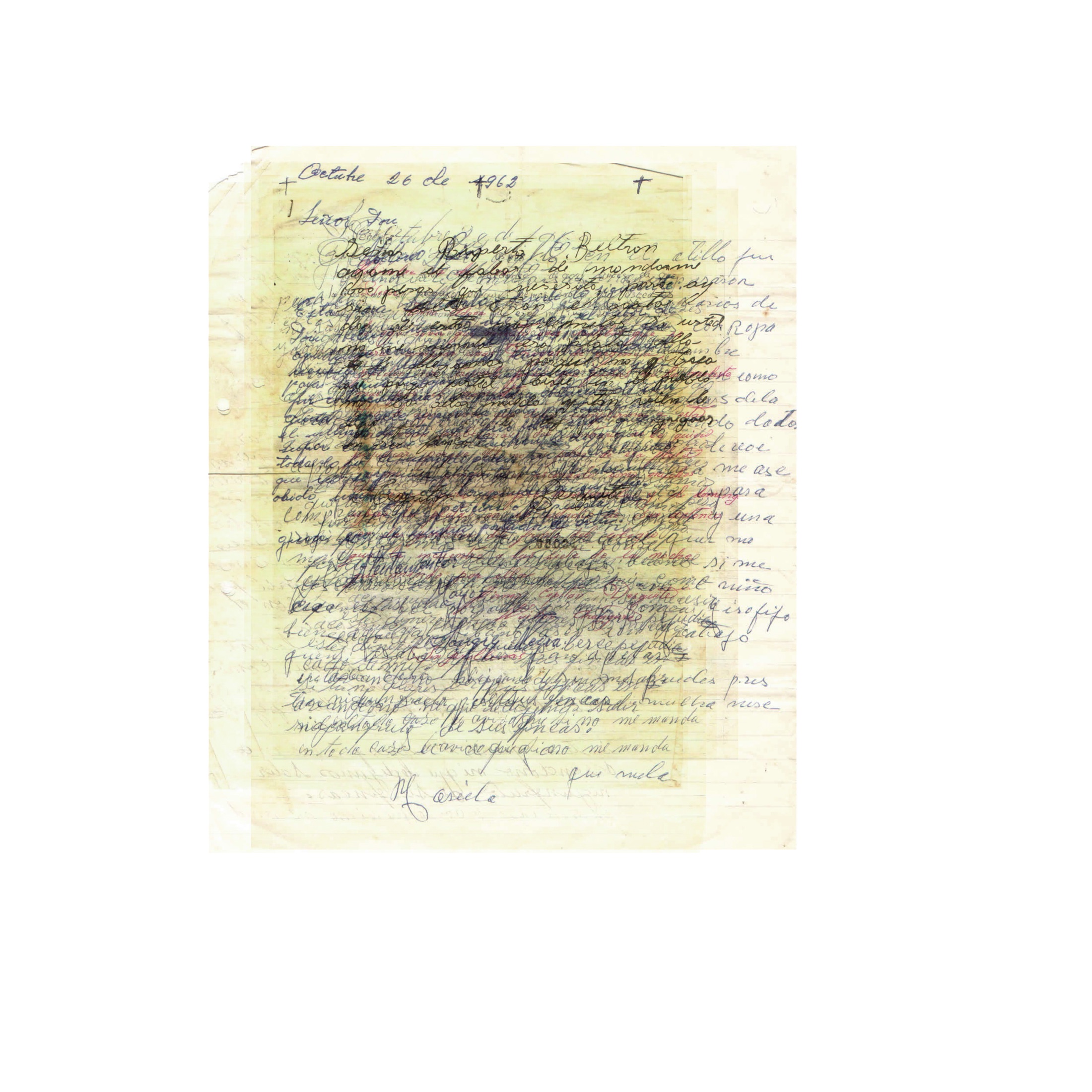
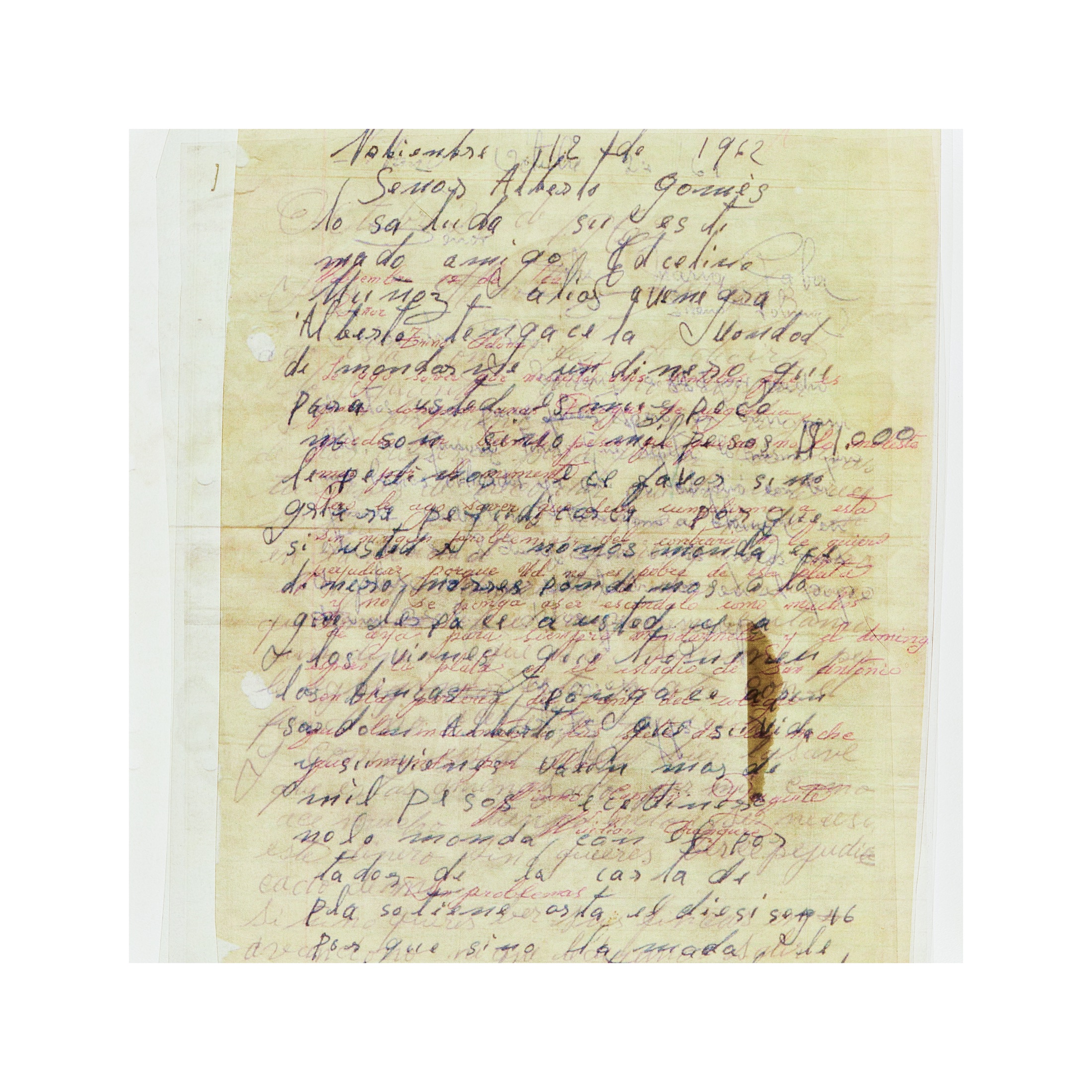
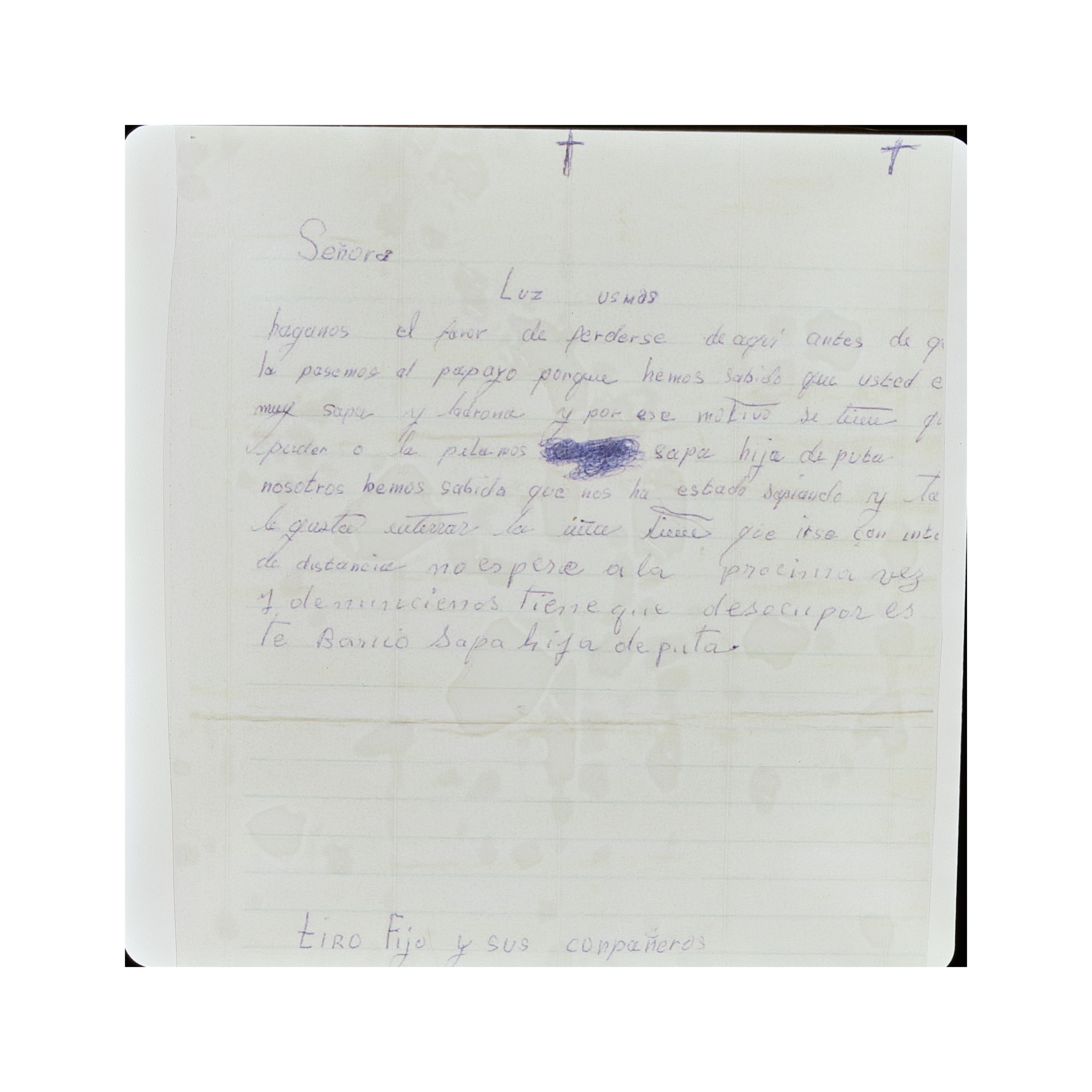
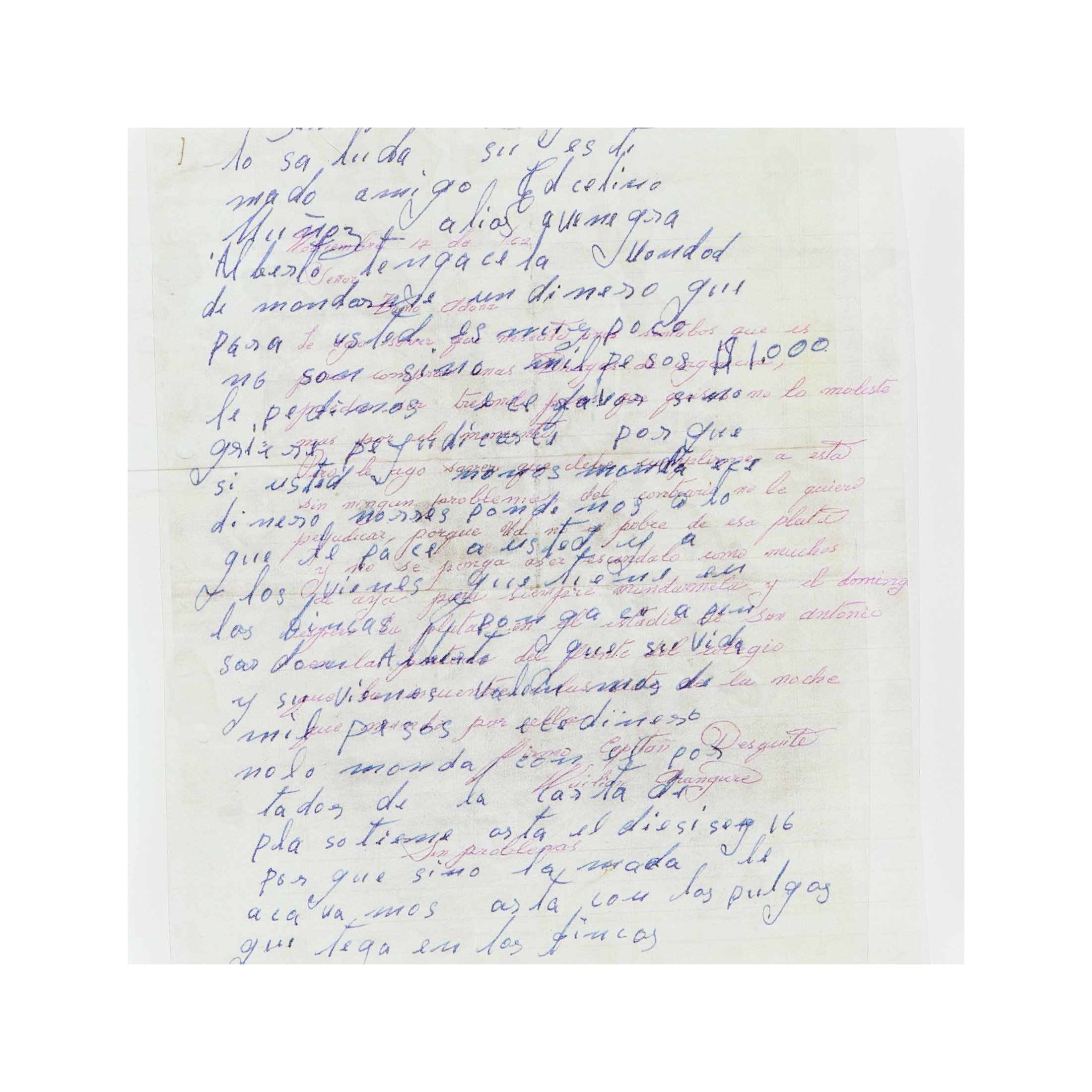
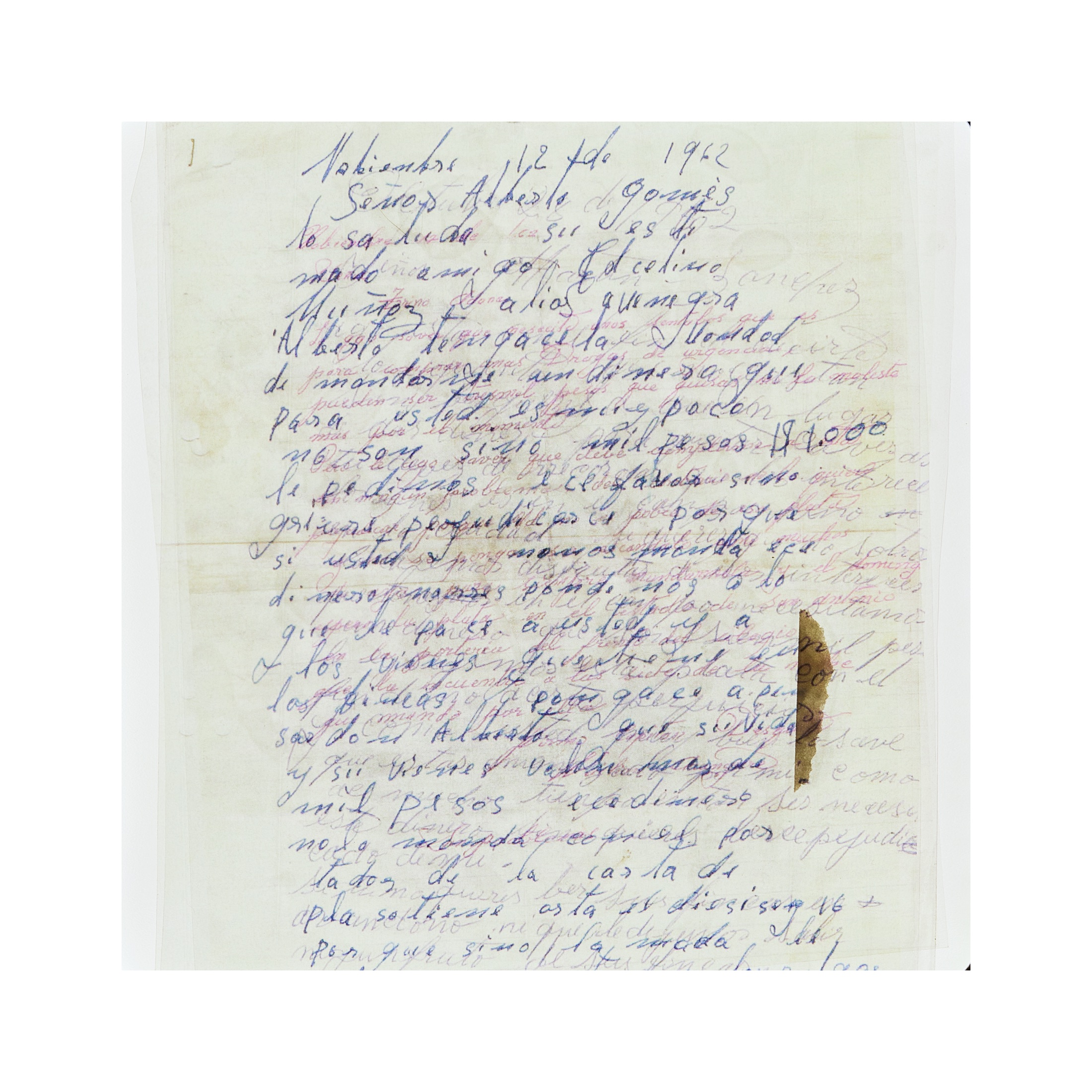
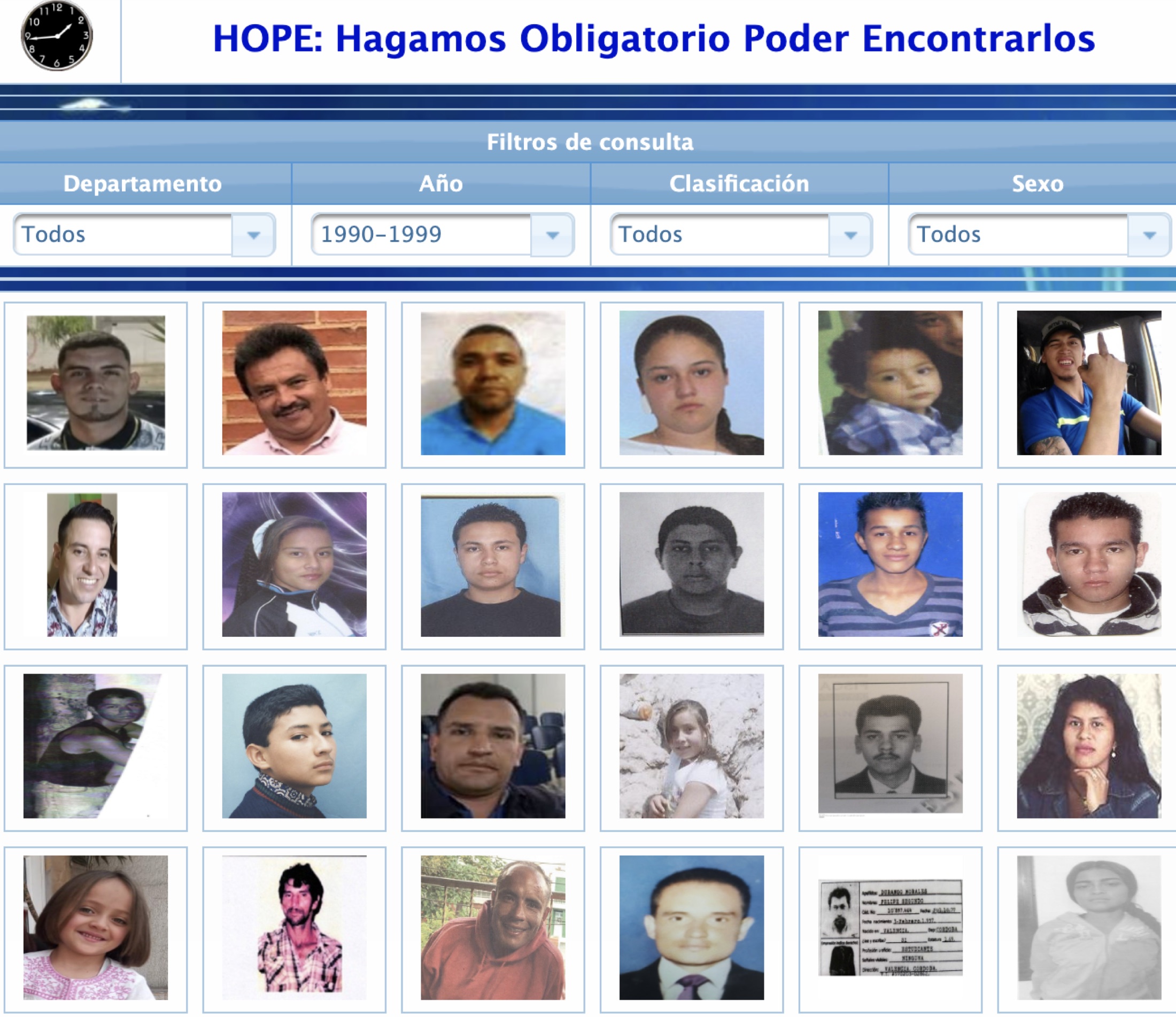
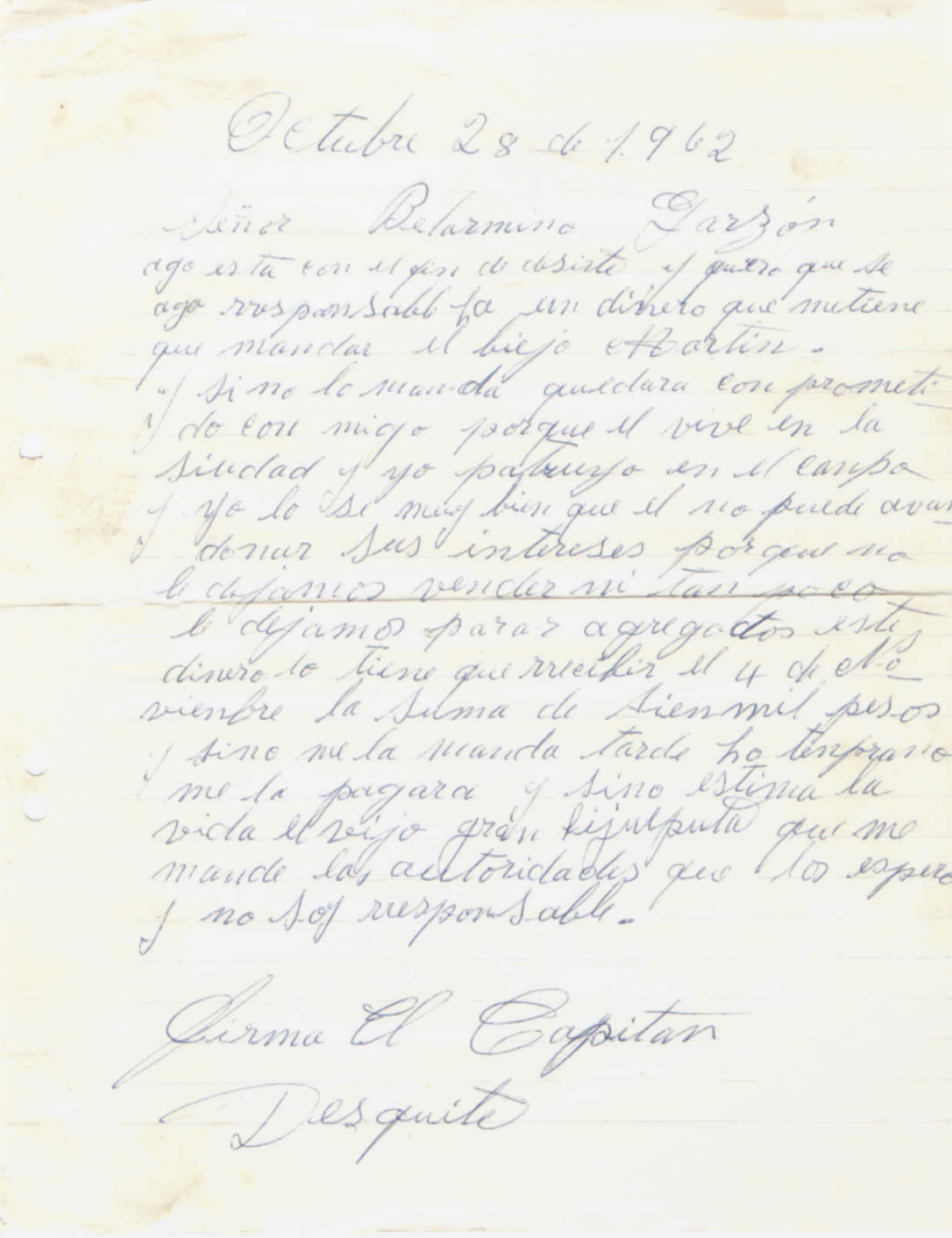
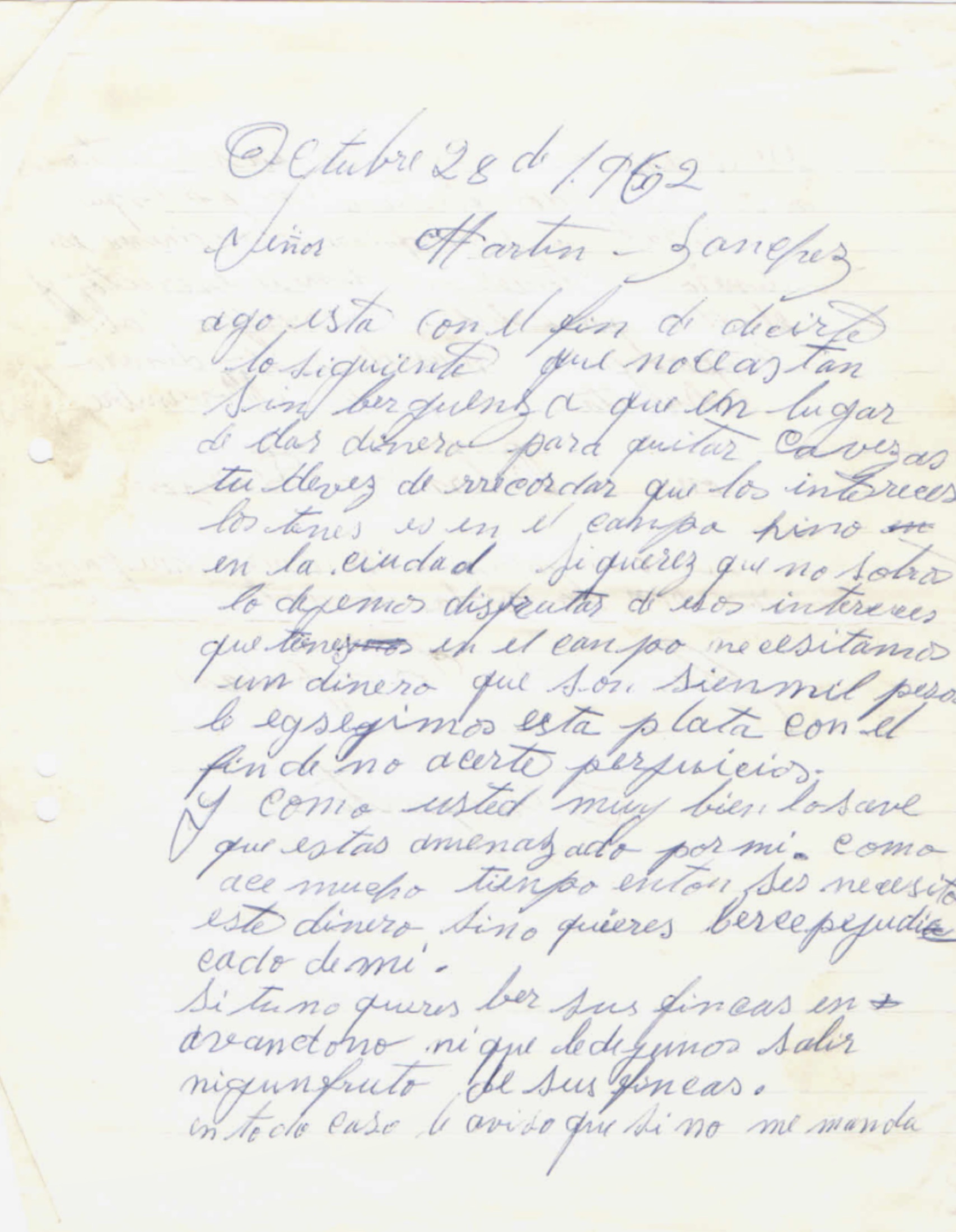
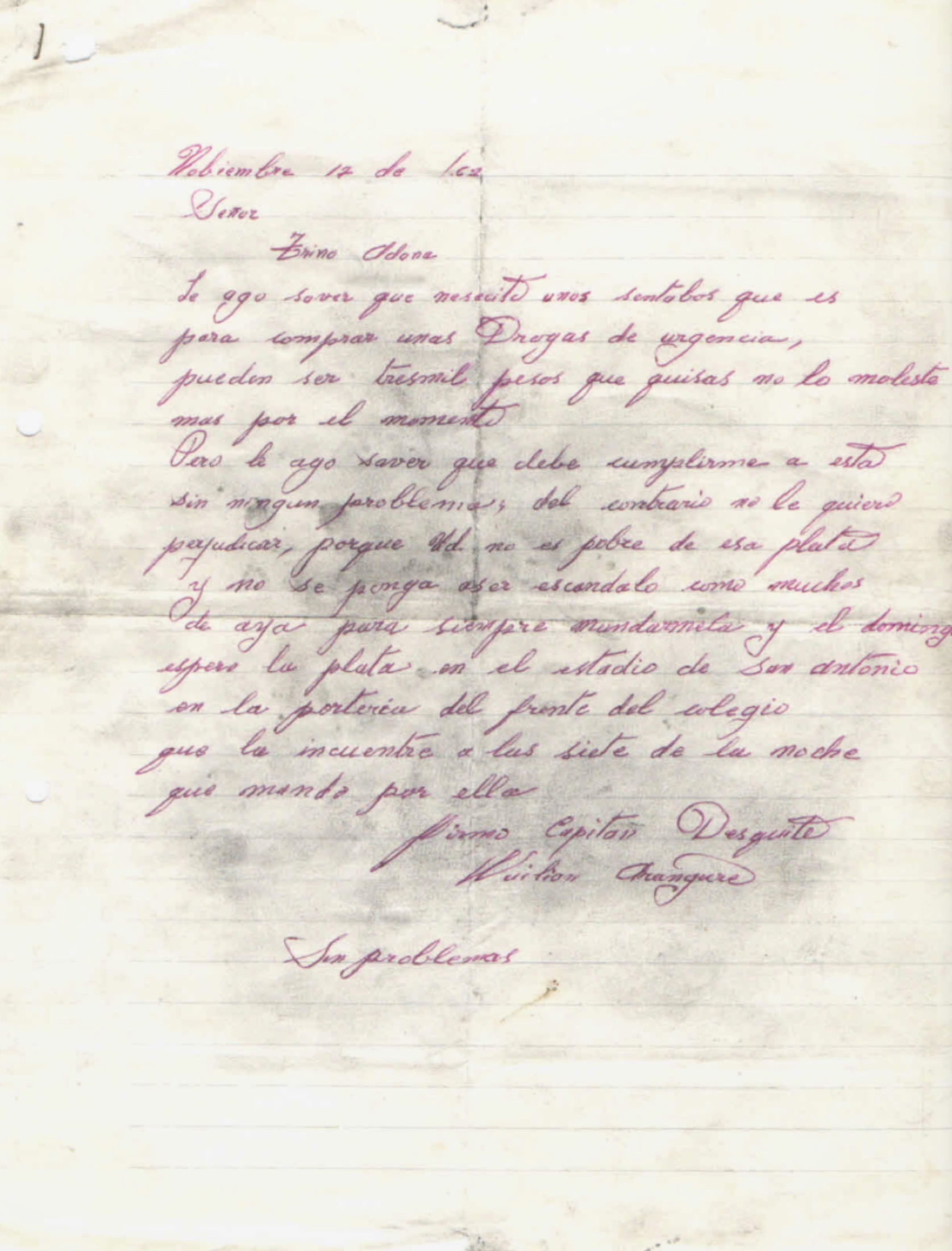
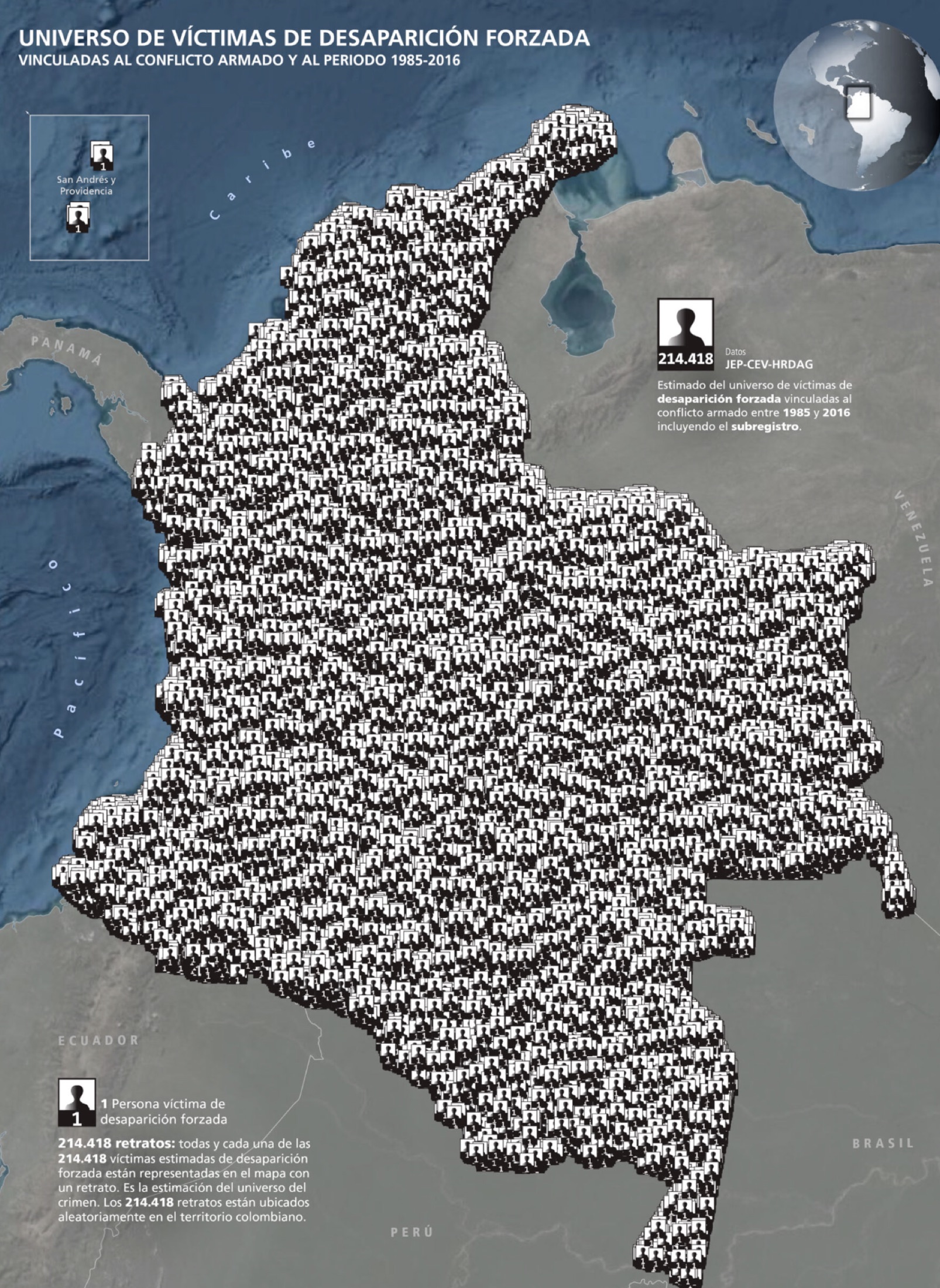
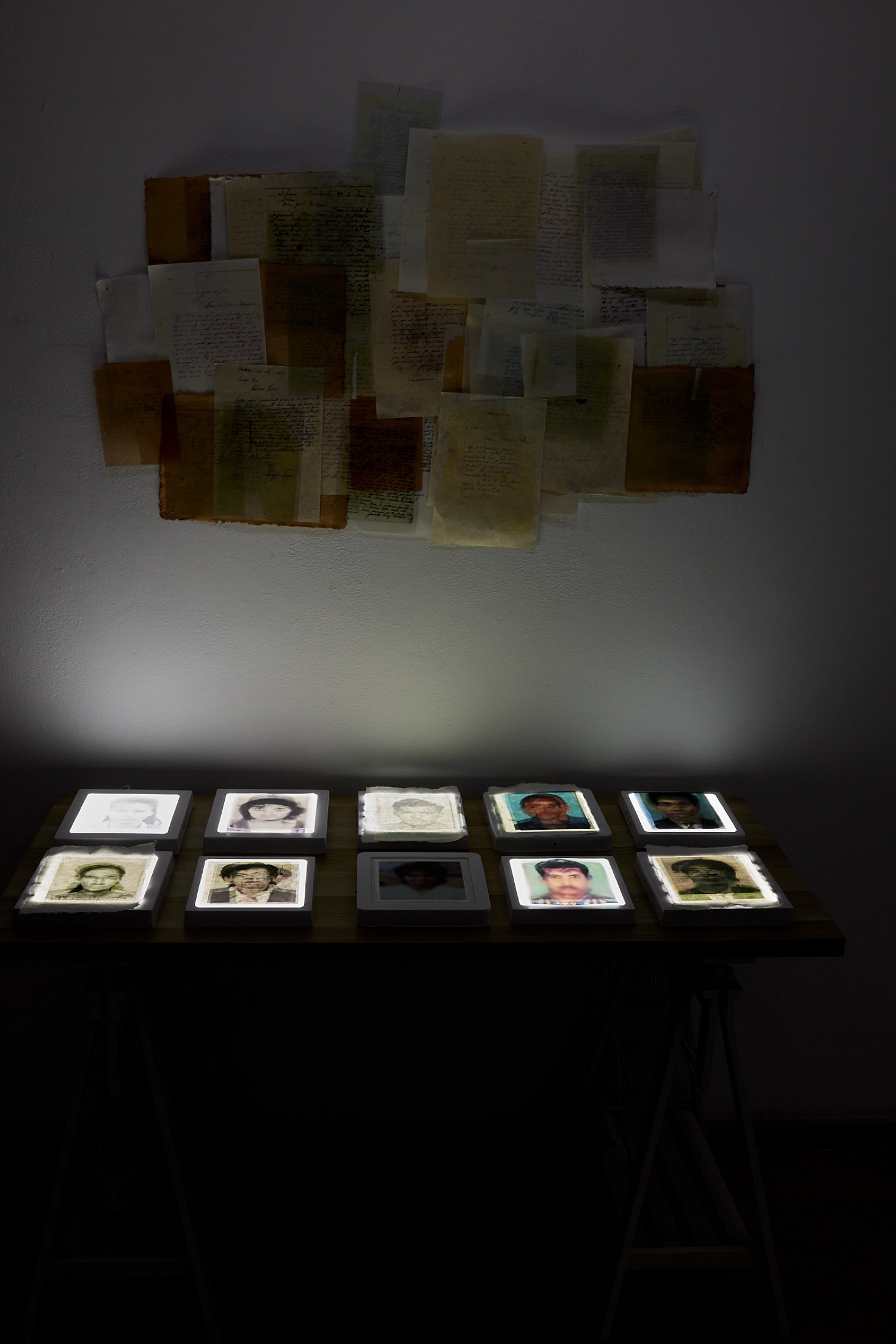
A light box. On the surface: successive layers of handmade paper and translucent stickers carrying portraits of people disappeared in Colombia between the 1950s and the 2000s. Over the layers: typewritten threat letters from different periods. White light, from below, passes through the assembly and renders it translucent.
The faces are not legible. The words are not readable. What can be seen is the accumulated weight of an impossible reading.
On the adjacent wall, the same letters — printed on translucent paper — are suspended. Each one breathes on the next. None speaks alone.
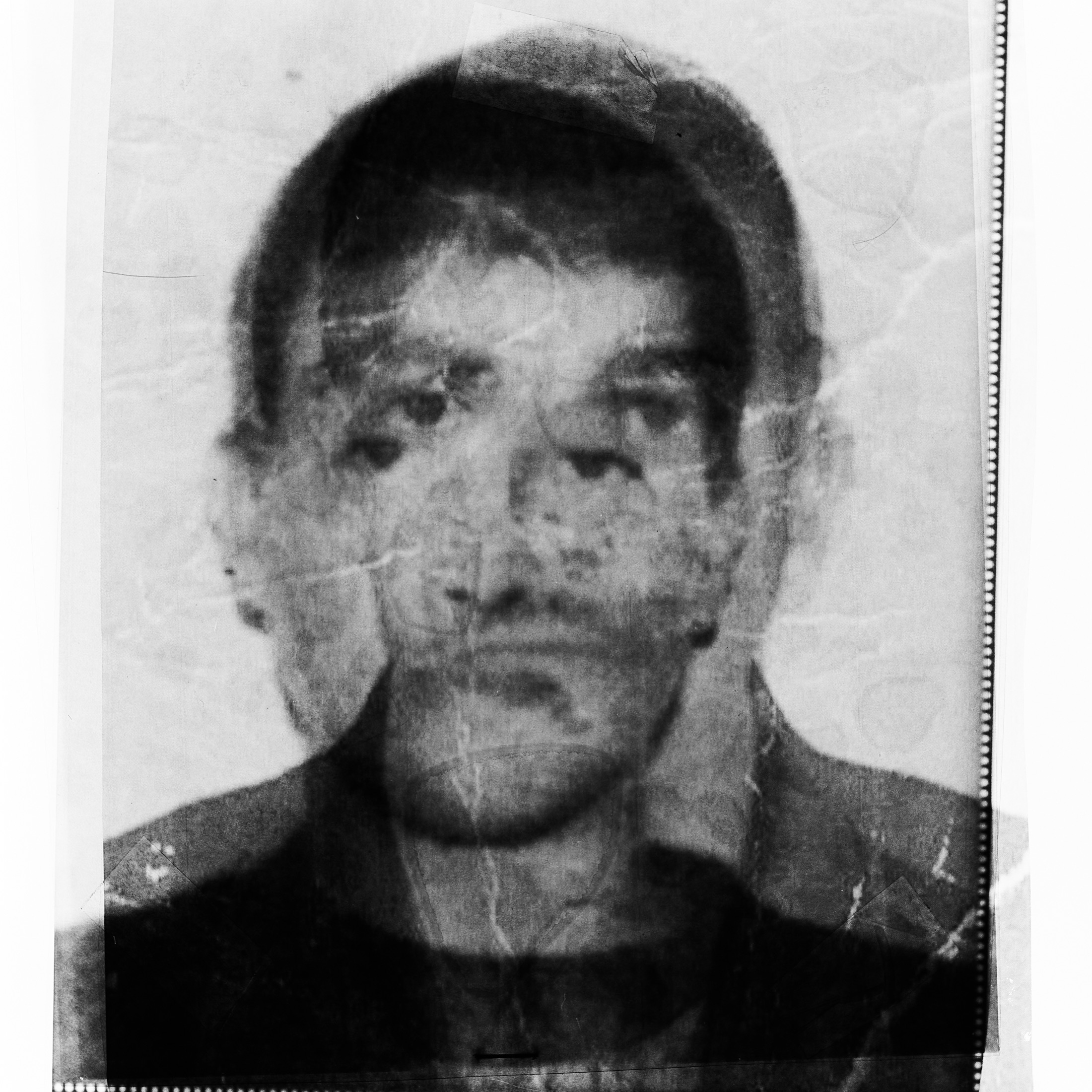
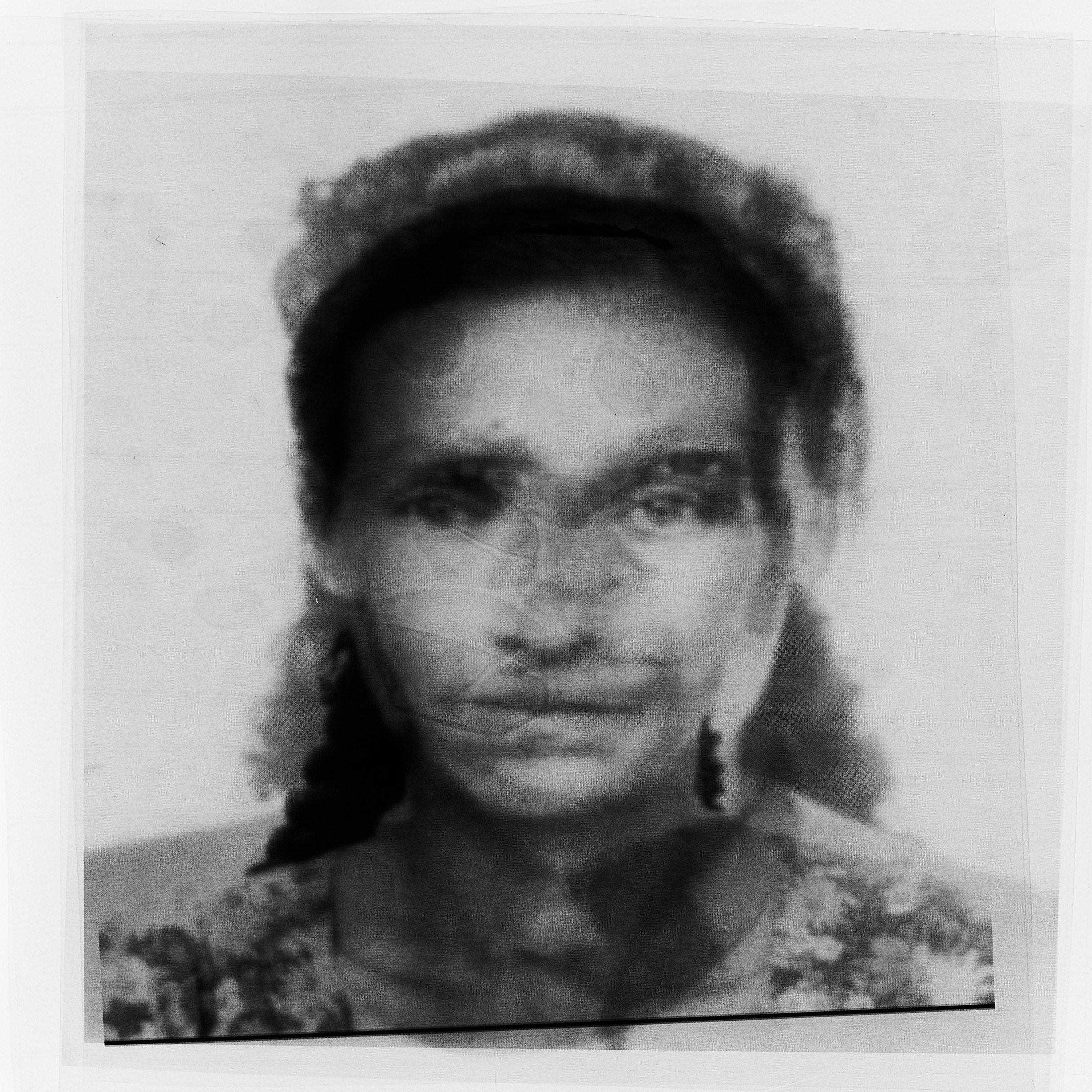
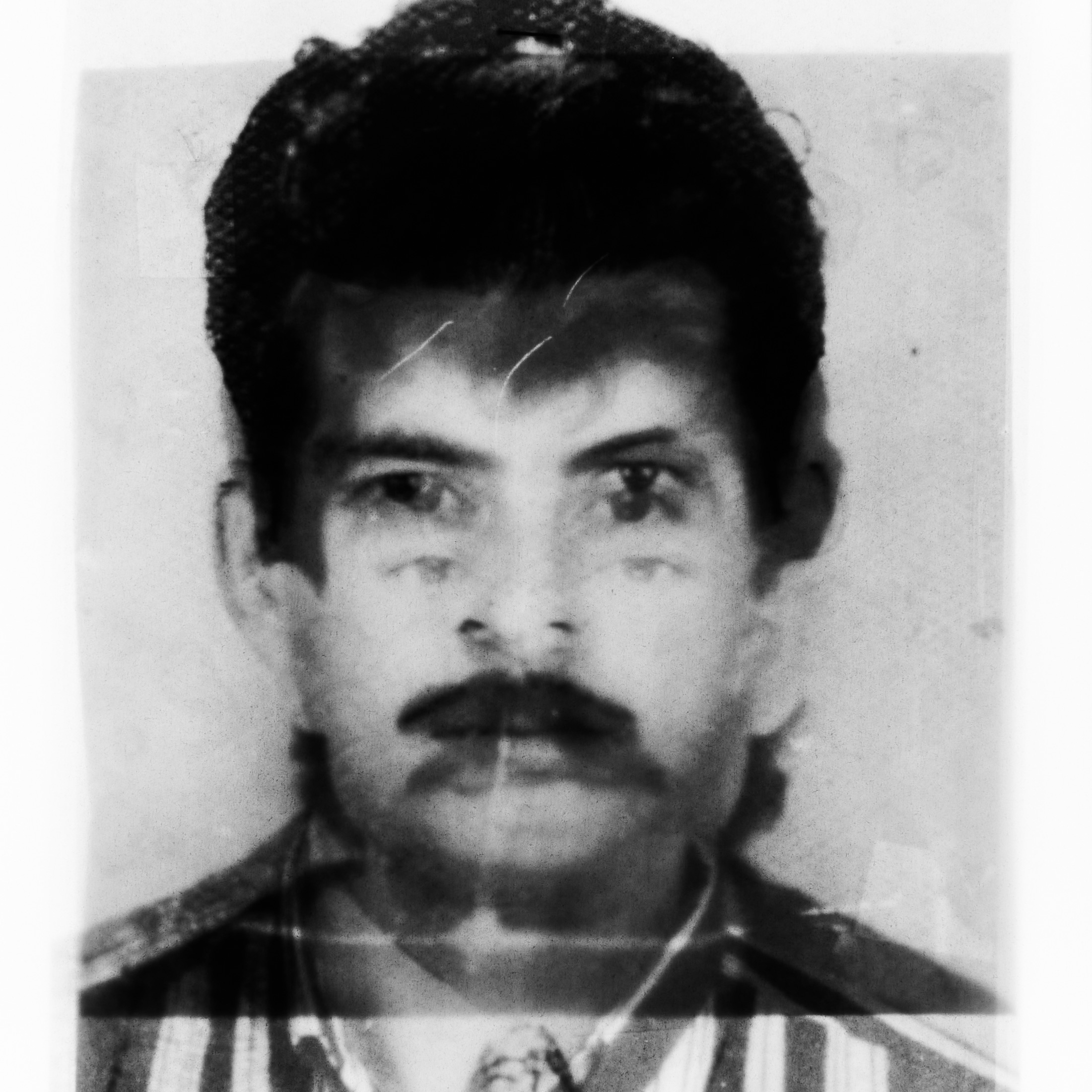
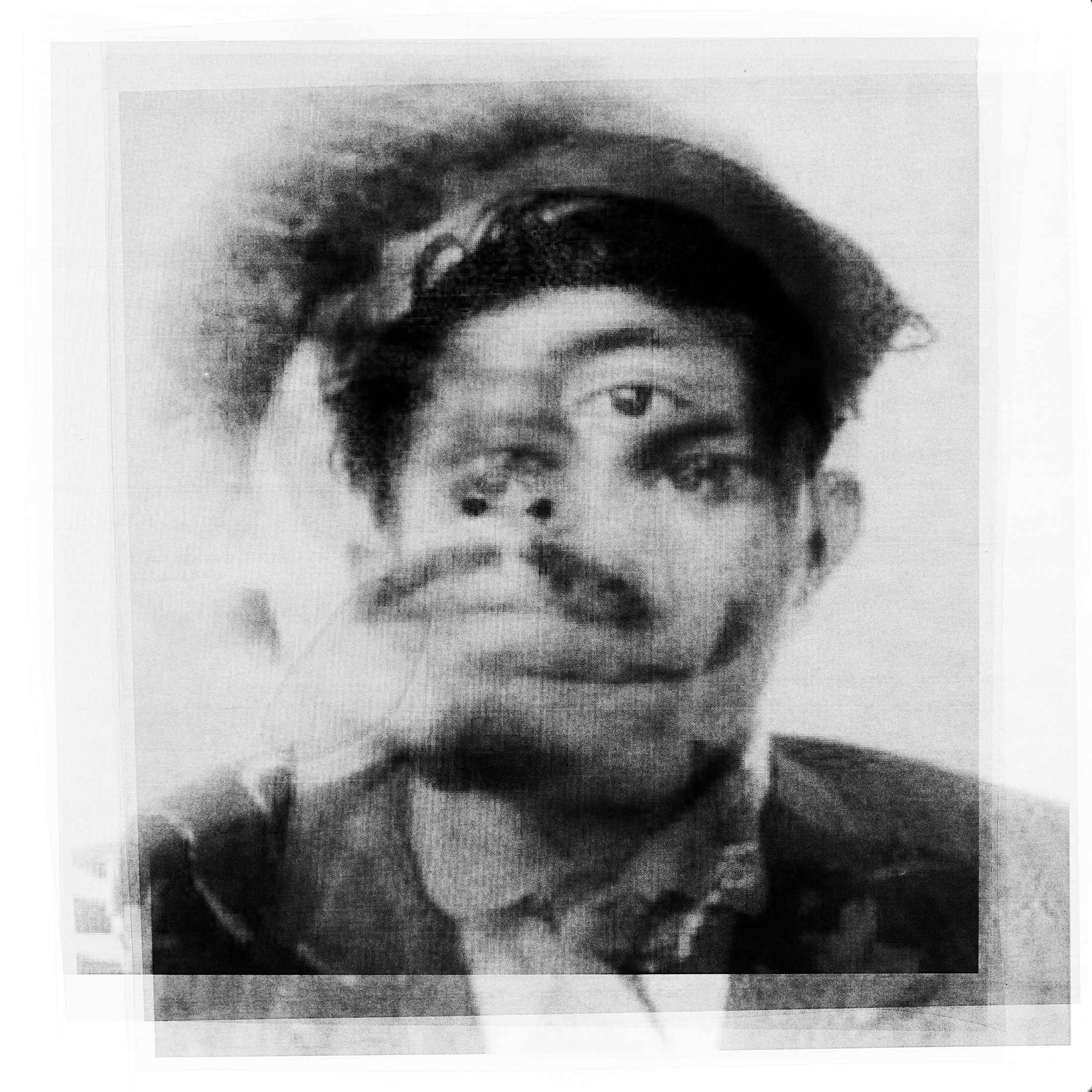
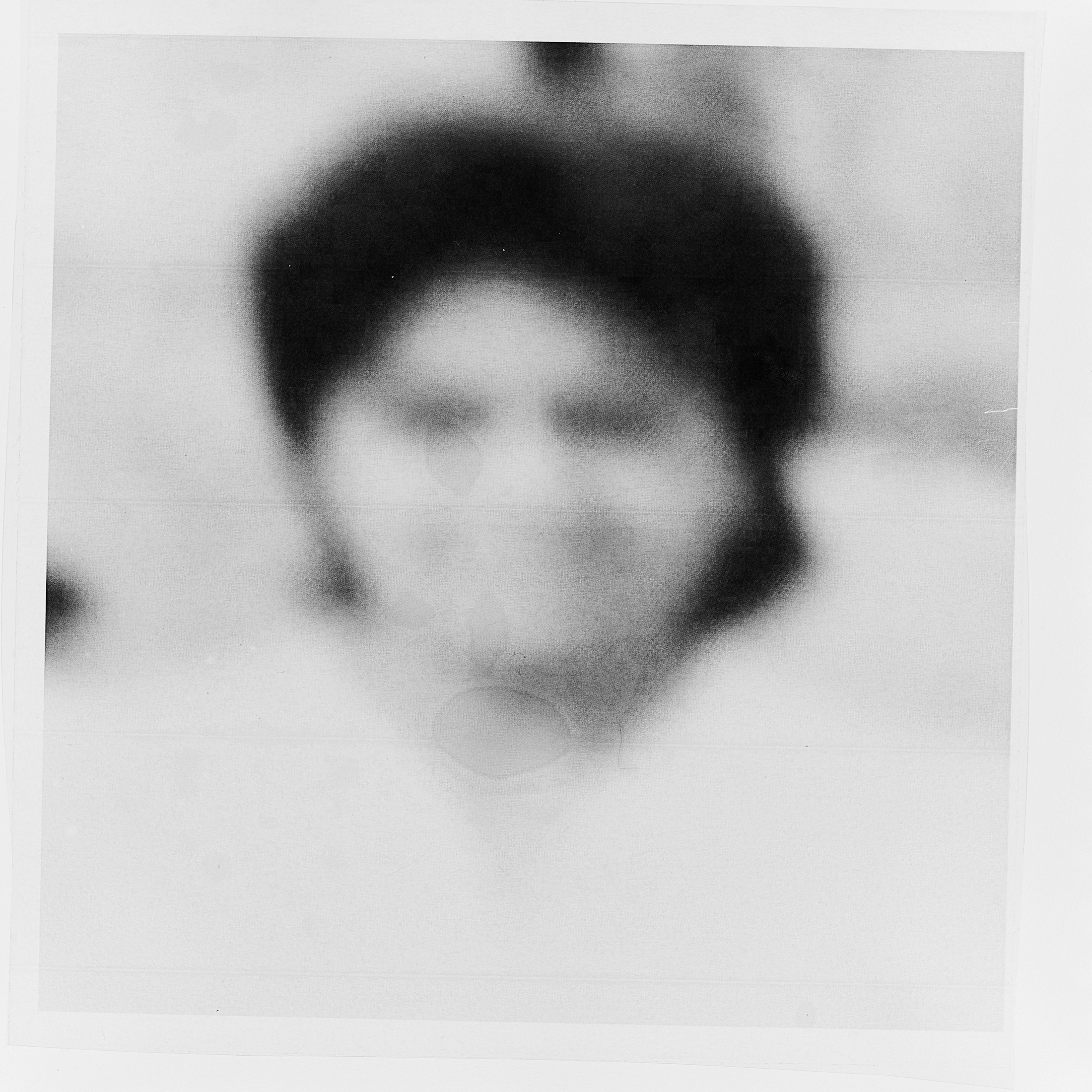
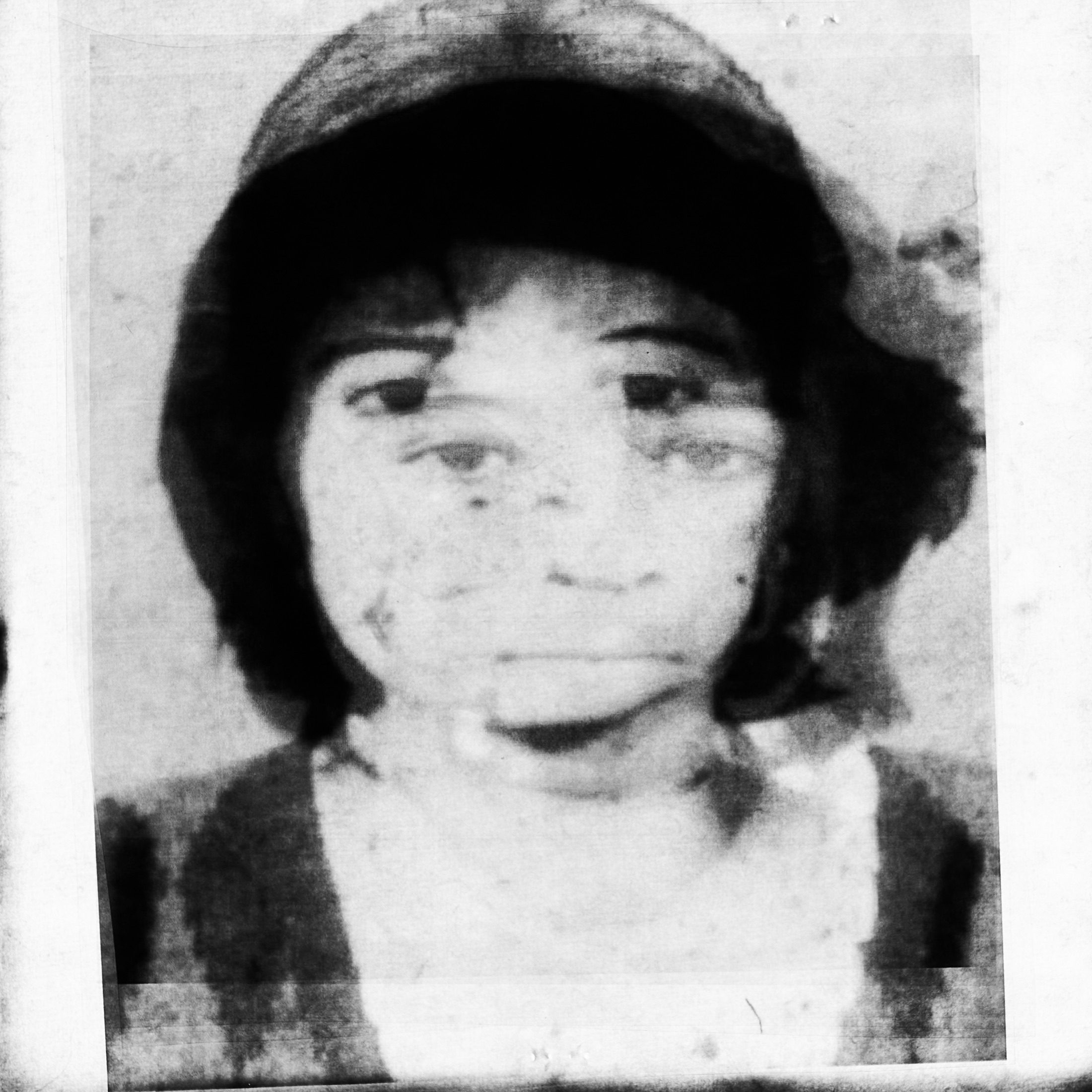
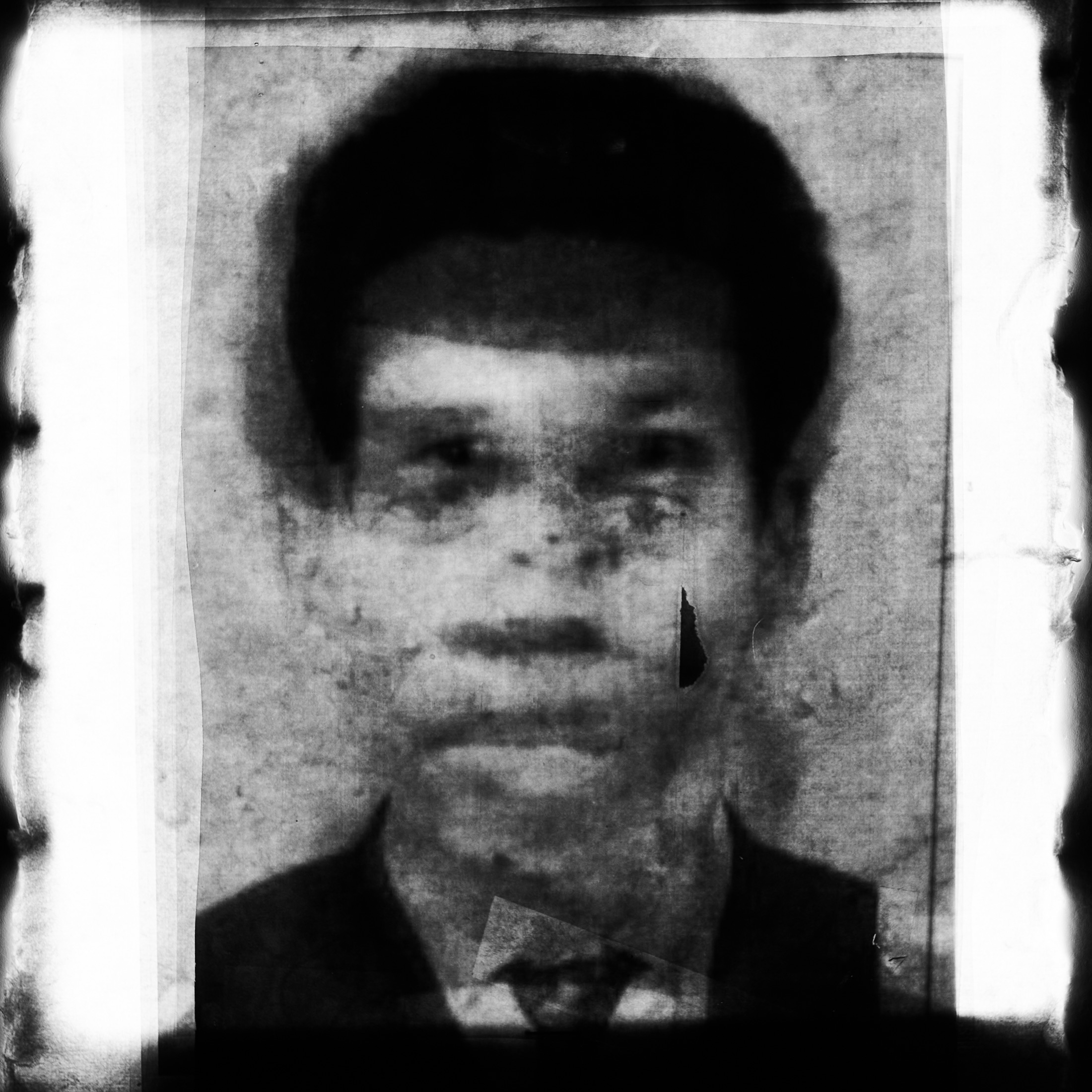
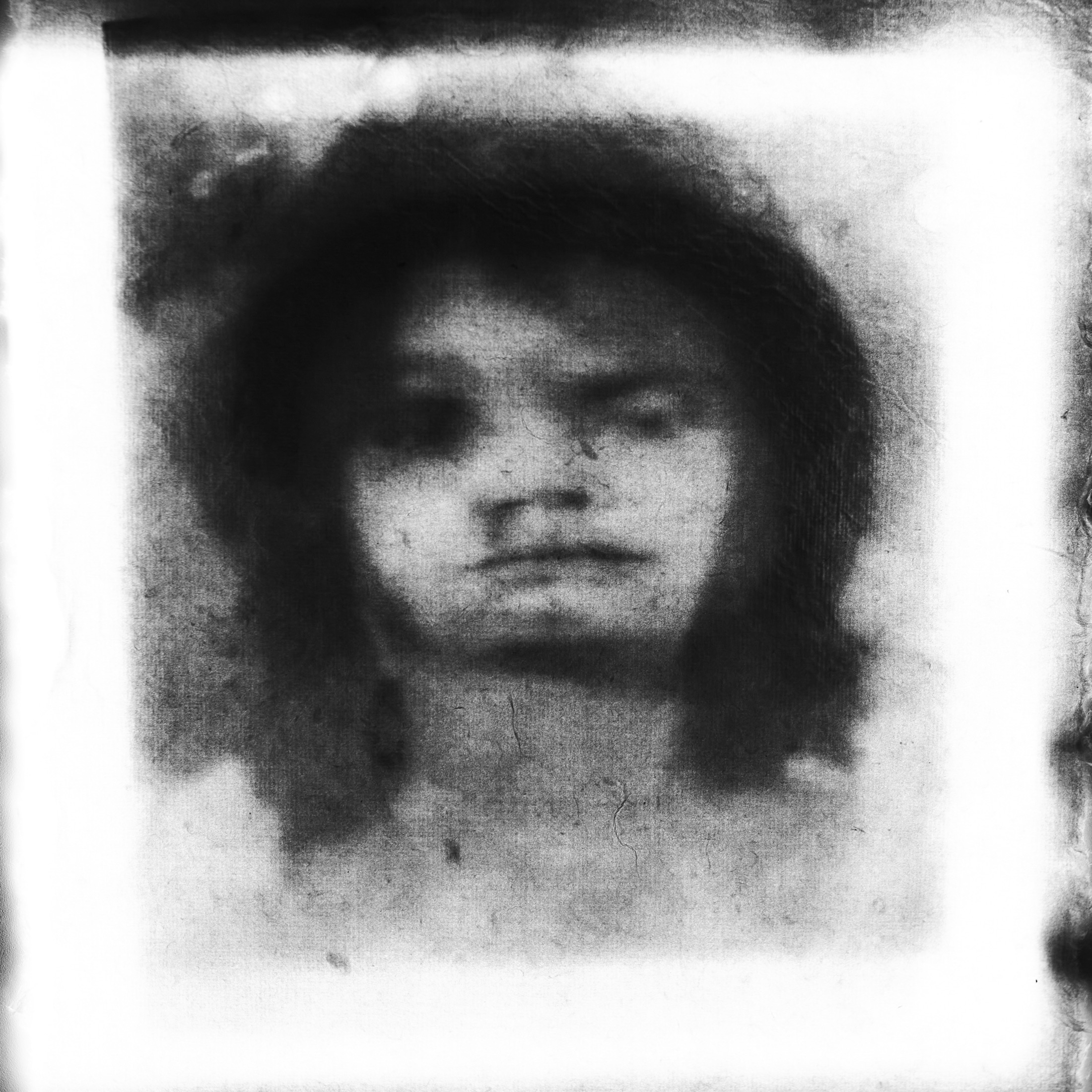
"The archive does not clarify — it accumulates. Memory does not heal — it thickens."
A palimpsest is a manuscript scraped and rewritten. The first text never fully disappears; it persists beneath the next as a shadow. The work takes that structure as a model for thinking violence in Colombia: not as a sequence of closed events, but as an accumulation that overwrites without resolution.
Bipartisan Violence (1948 – 1958), the rise of guerrilla movements, the para-state dirty war, narcoparamilitarism, mass displacement. Each layer erases the contour of the previous one. Each threat repeats the same formula under a different name.
The piece does not represent memory. It renders it illegible — which is how memory effectively persists in Colombia's social body: present and opaque at once.
The portraits come from SIRDEC (Information System Network of Disappeared and Bodies), the public consultation database of Colombia's National Institute of Legal Medicine and Forensic Sciences — a search and identification tool maintained by the State. The images are contributed by families within open processes of localization. The letters are historical documents from the Germán Guzmán Campos Archive at Universidad del Valle, dated between 1948 and 1962, signed by documented bandits of the period of La Violencia.
The work operates on this material in the opposite direction to the original function of the institutional archive: where SIRDEC seeks to individuate, this piece accumulates until illegible; where the historical document names, this piece suspends the name. The gesture is neither testimonial nor memorial. It does not restore identity. It does not represent families nor replace their own processes of symbolic reparation.
The piece thinks the archive as a critical operation on itself: in its will to preserve, every archive destroys what it preserves. The work does not take a position on the disappeared but on the viewer — confronted with the material limit of their own reading.
Each face or fragment of text is printed on a translucent sticker and applied to a sheet of acetate. Another sheet is placed on top, with a new image added, and so on — forming a vertical archive that cannot be read linearly.
A white LED at the base of the structure passes through each layer, producing a spectral scanning effect. From above, the viewer peers into a vertical grave of sedimented images: an excavation, a memory that never fully surfaces.
Reference
Sound — collaboration with Equipo DF
The work is accompanied by five sound testimonies from the Yo soy… (I am…) project of Equipo Detectives del Tiempo (Equipo DF) — a Colombian organization that documents histories of disappeared persons. The audios are reproduced with authorization in the exhibition space and the digital documentation. The work converses with their archive; it does not appropriate it.
Any further circulation requires direct coordination with Equipo DF.
Expanded version for gallery space. The work grows from a single light box to a field of translucent light cubes scattered across polished concrete — between twenty and forty units of varying heights, each containing horizontally stacked strata of portraits and threat letters. Light radiates from inside each cube, passing through the translucent paper layers. The viewer walks among the cubes as among anonymous graves.
Visualisations produced as curatorial proposal. The final work will depend on the assigned space and on dialogue with the curatorial team.


Documentary sources
- Parga Pantoja, H. (1962). Asesinados un dirigente campesino y un compañero del Movimiento Agrario de Río-Chiquito.
- (1962). El Clero, los Pájaros y los Militares asesinan a 2 compañeros.
- Aranguren, J. (1962). Threat letters from «Desquite».
- (1962). Various threats.
- Anonymous. (1959). Alert in Chaparral (Tolima) regarding acts of violence. Universidad del Valle.
- Unknown. (1950). Pájaros pamphlet, Fresno, Tolima.
- Cruz Usma, J. (1962). Threat letters from «Sangre Negra».
- Lombana Osorio, N. (1962). Threat letters from alias «Tarzán».
- Unknown. (1962). Various manuscripts, Cunday, Tolima.
- Santamaría, J., Santamaría L., P., Villamil C., E., París Durán, E. & Arango, B. (1950). Reports of violence in Envigado, Antioquia.